
Asian Art Museum Scavenger Hunt
Need an Asian Art Museum scavenger hunt that actually fits the museum? This event works because the 200 Larkin Street entrance, Civic Center setting, Asian art collections, gallery details, cultural-history clues, Civic Center/UN Plaza BART access, and team interpretation moments sit close enough together for a focused indoor team-building experience.
A Walkable Asian Art Museum Event
Meeting Area: Asian Art Museum At 200 Larkin Street
The Asian Art Museum scavenger hunt gives teams a clear Civic Center starting point, then uses gallery observation, Asian art collections, object labels, symbolism, cultural-history clues, and team interpretation inside one focused museum experience.
Each Mr Treasure Hunt event is created by Daniel Kleiber, a local Bay Area event designer who has been building custom scavenger hunt experiences for 24 years.
The Asian Art Museum event is built around museum details teams can actually notice together: art materials, visual patterns, object labels, collection themes, and practical Civic Center logistics.
From the 200 Larkin Street entrance, teams can move through approved museum spaces where clues connect to Asian and Asian American art, cultural history, gallery details, creative interpretation, and photo-friendly moments.
- The Asian Art Museum entrance gives the group a clear meeting point at 200 Larkin Street, one block from Civic Center/UN Plaza BART.
- Gallery details, object labels, symbols, materials, and collection themes create useful observation points for clue solving.
- The Civic Center setting helps planners coordinate transit, parking, food, and a final regroup before or after the museum portion.
- The Asian Art Museum plan-your-visit page can help guests check tickets, hours, access, nearby parking, and museum policies.
Event Flow
The Asian Art Museum scavenger hunt can be planned as a simple sequence from arrival to final gathering.

- Gather: Teams meet at 200 Larkin Street, receive the rules, confirm museum logistics, and split into small groups.
- Start solving: Teams begin with nearby entrance, lobby, and first-gallery details to get into the rhythm of the event.
- Explore the museum: The event can move through collection themes, gallery details, cultural-history clues, and interpretation prompts.
- Regroup: The finish can be placed near the museum entrance, cafe, store, or another approved gathering spot for photos, prizes, or a team debrief.
Why This Museum Is A Great Choice
The Asian Art Museum gives teams a compact indoor event with art, culture, history, visual details, interpretation, and Civic Center logistics close enough to connect in one smooth team-building experience.
Clear Museum Start
The 200 Larkin Street entrance gives teams a recognizable place to gather, with Civic Center/UN Plaza BART and nearby garages supporting arrivals.
Visual Clue Material
Artworks, object labels, symbols, materials, regions, and exhibition details create useful observation points for clue solving.
Indoor Team Flow
The museum format makes it easier to plan a focused team experience with less weather risk and a clear post-hunt regroup.
Planning Notes For Asian Art Museum Teams
The Asian Art Museum works best when guests know the ticket plan, meeting point, transit notes, and final regroup location before they arrive.
Admission And Access
Confirm museum tickets, group policies, timed entry, and any private-event needs before the event. The clues can be built around gallery observation and approved public museum spaces.
Transit And Arrival
The 200 Larkin Street entrance is close to Civic Center/UN Plaza BART and Muni. Larger groups should receive a precise entrance note, arrival window, and parking suggestions such as Civic Center Garage or UC Law Parking Garage.
Food And Regrouping
Plan the finish near the museum entrance, cafe, store, or another approved indoor spot. Civic Center and nearby Hayes Valley can also support lunch, dinner, or awards after the event.
Museum Details Add Art And Culture Story Layers
The Asian Art Museum works best when teams slow down and notice what is already in front of them: gallery details, object labels, symbols, materials, cultural stories, and Civic Center surroundings. The event design keeps the clues active without turning the museum visit into a lecture.
Meeting Location
Asian Art Museum events begin at the museum entrance, at 200 Larkin Street in San Francisco Civic Center.
This starting area works because it is recognizable, one block from Civic Center/UN Plaza BART, near City Hall and the Main Library, close to nearby parking garages, and gives teams a clear place to gather before moving into museum clues.
Ask About This EventScenes From Recent Team Events
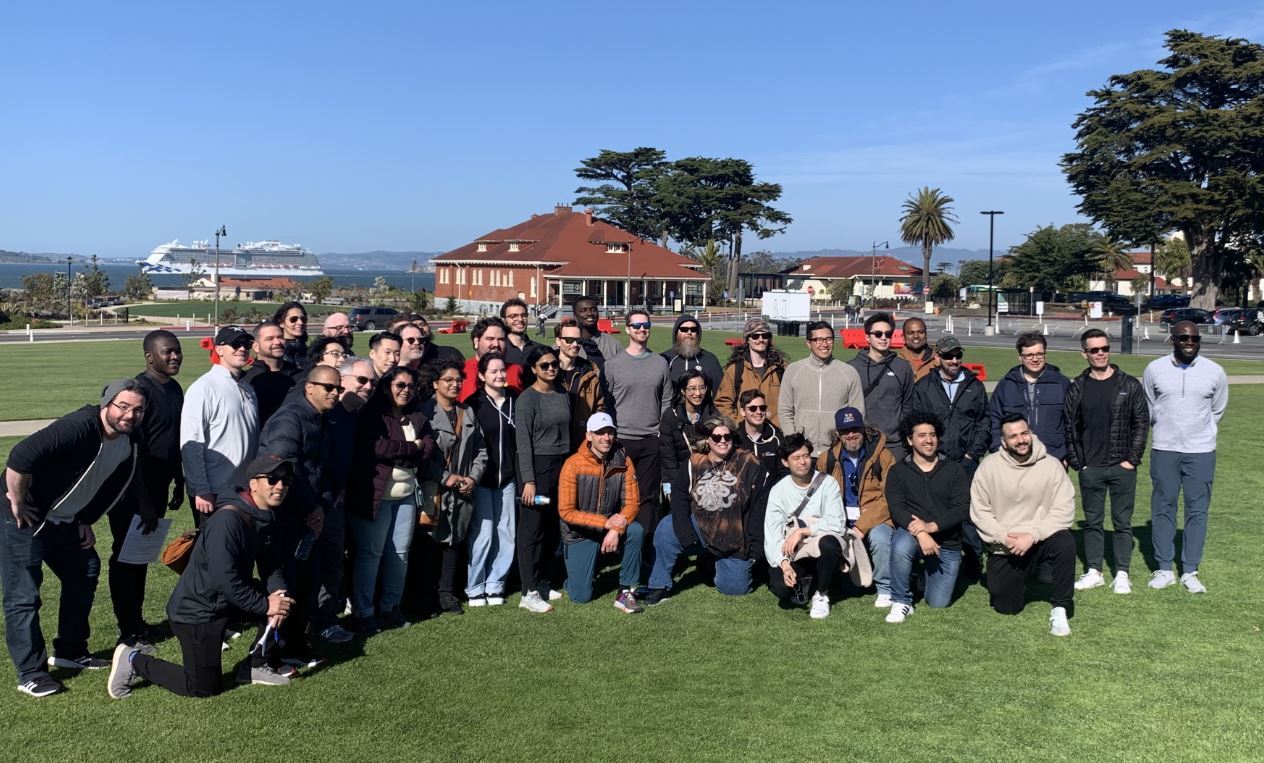
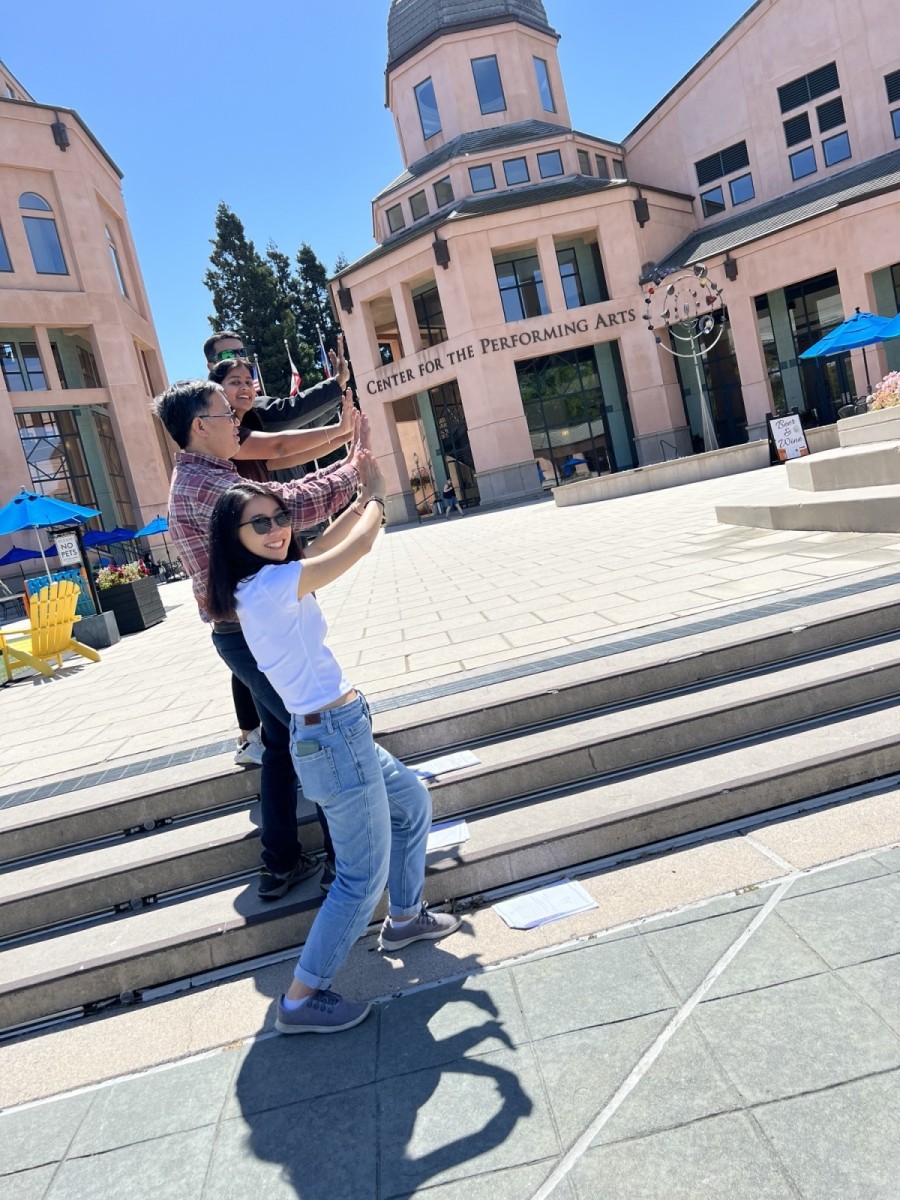
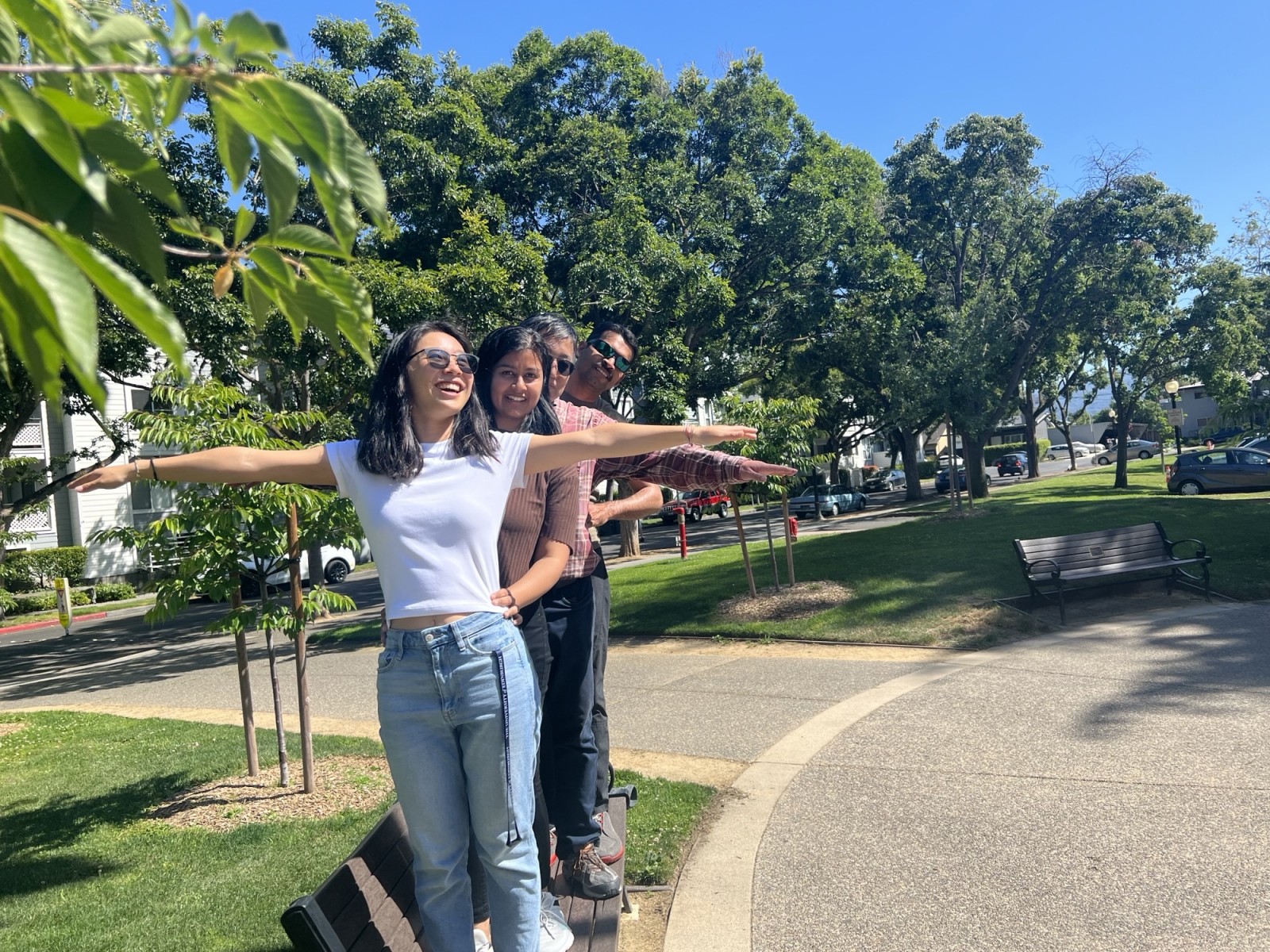
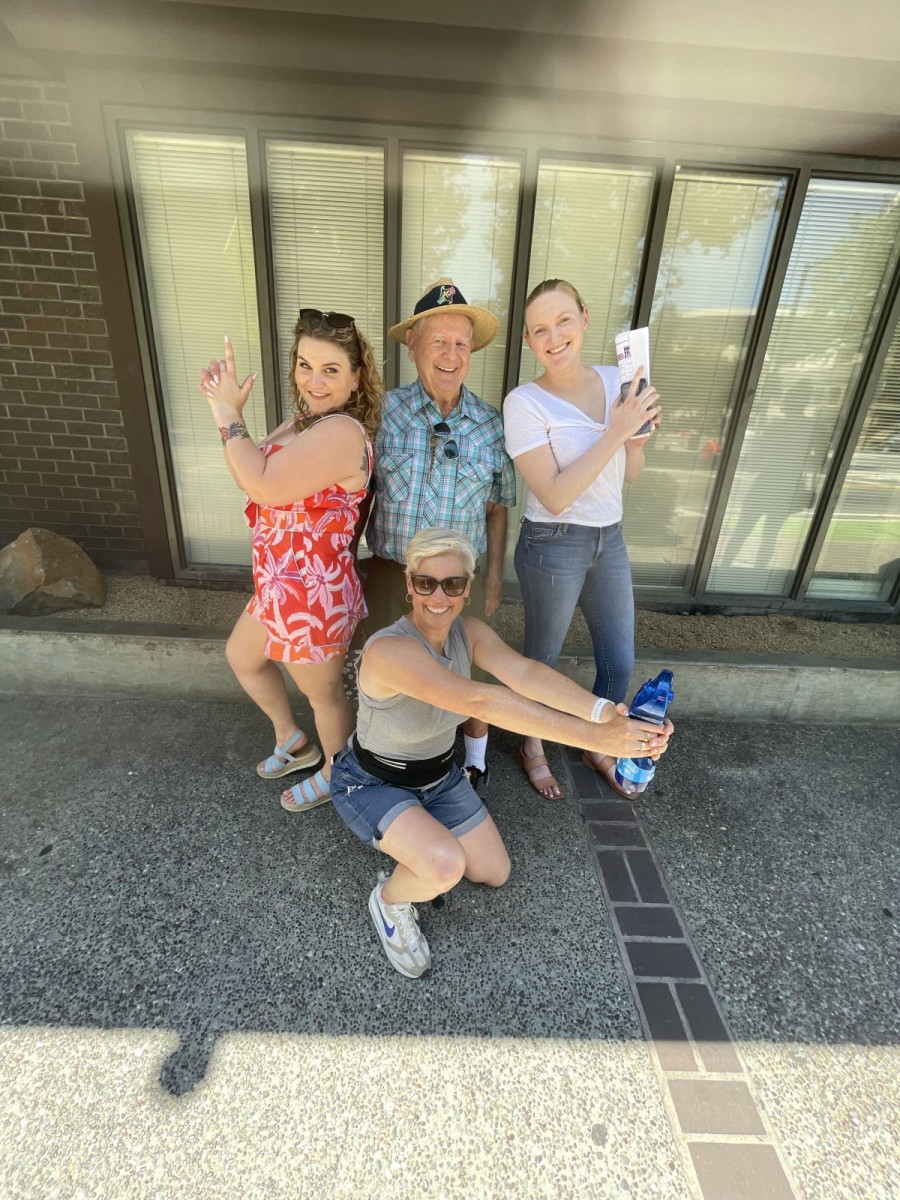
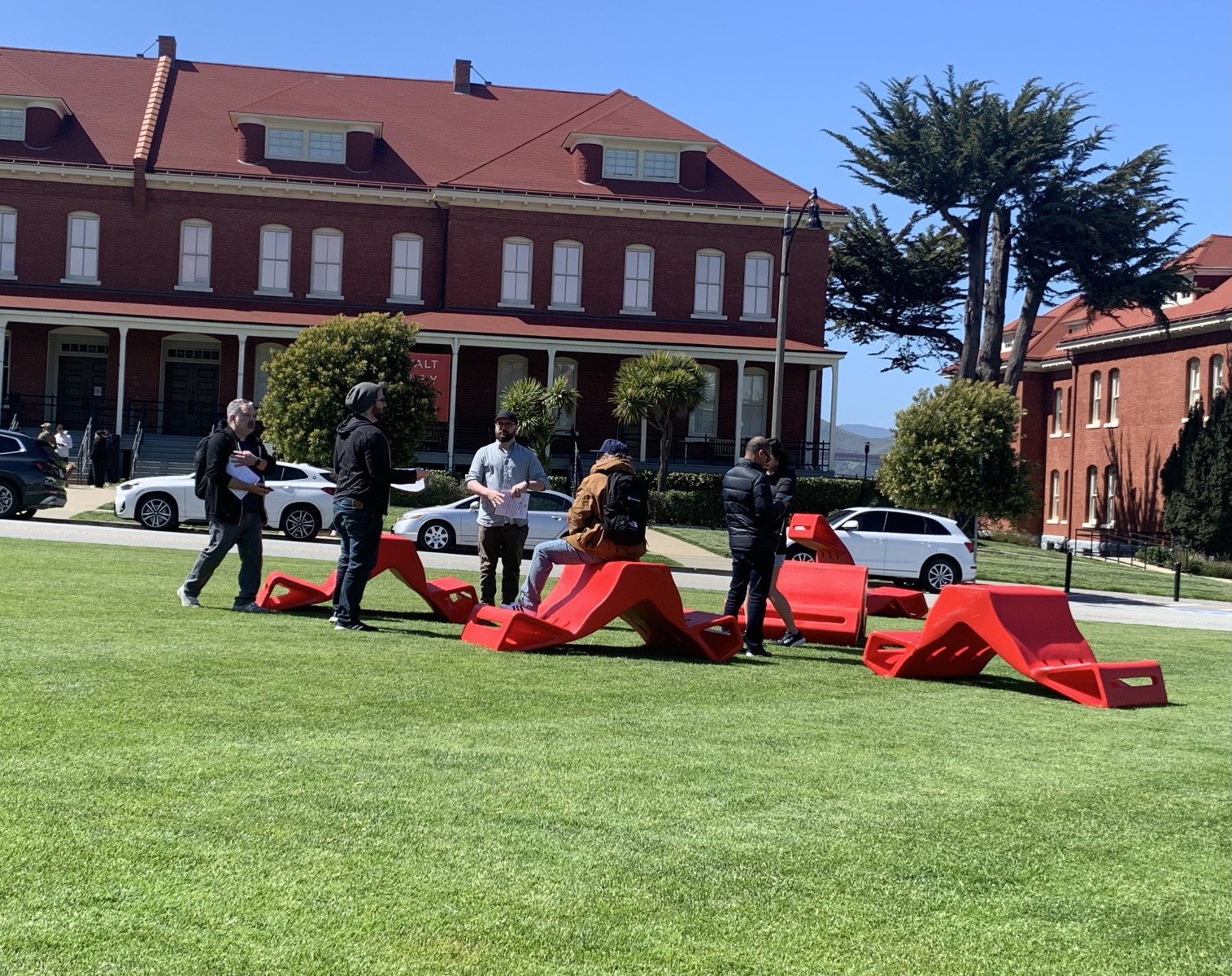
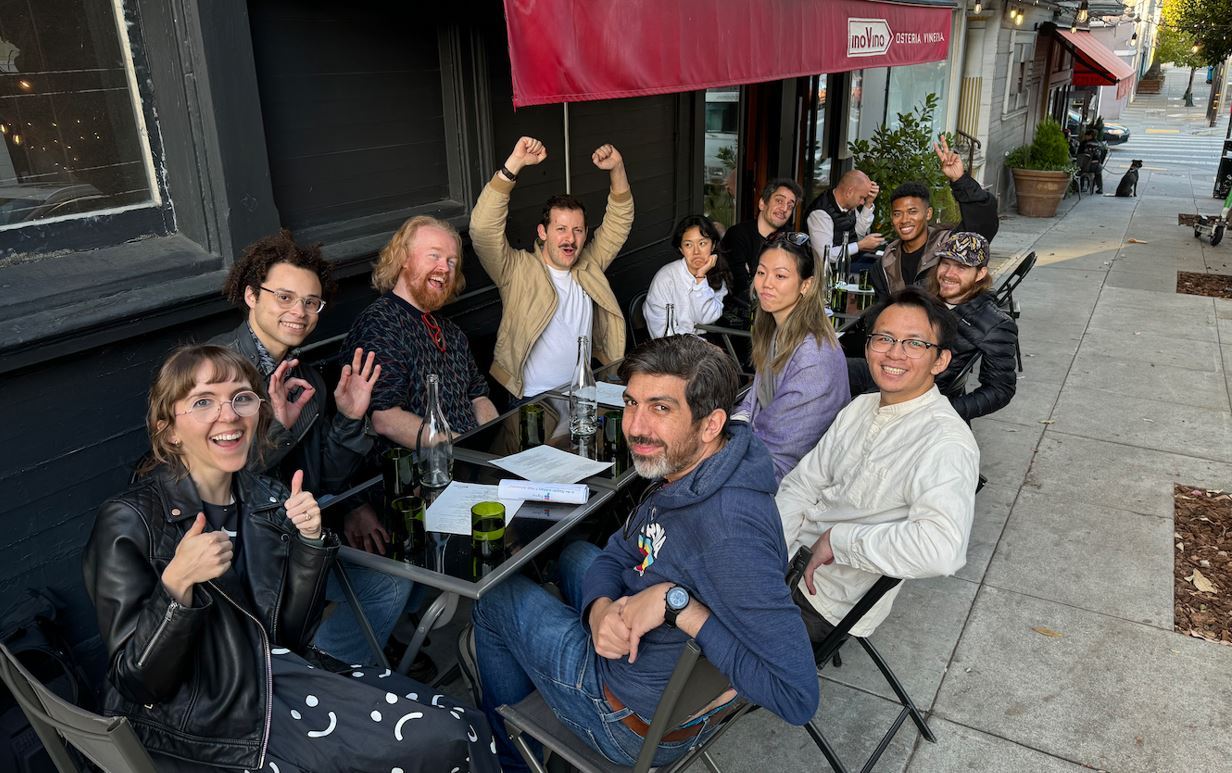
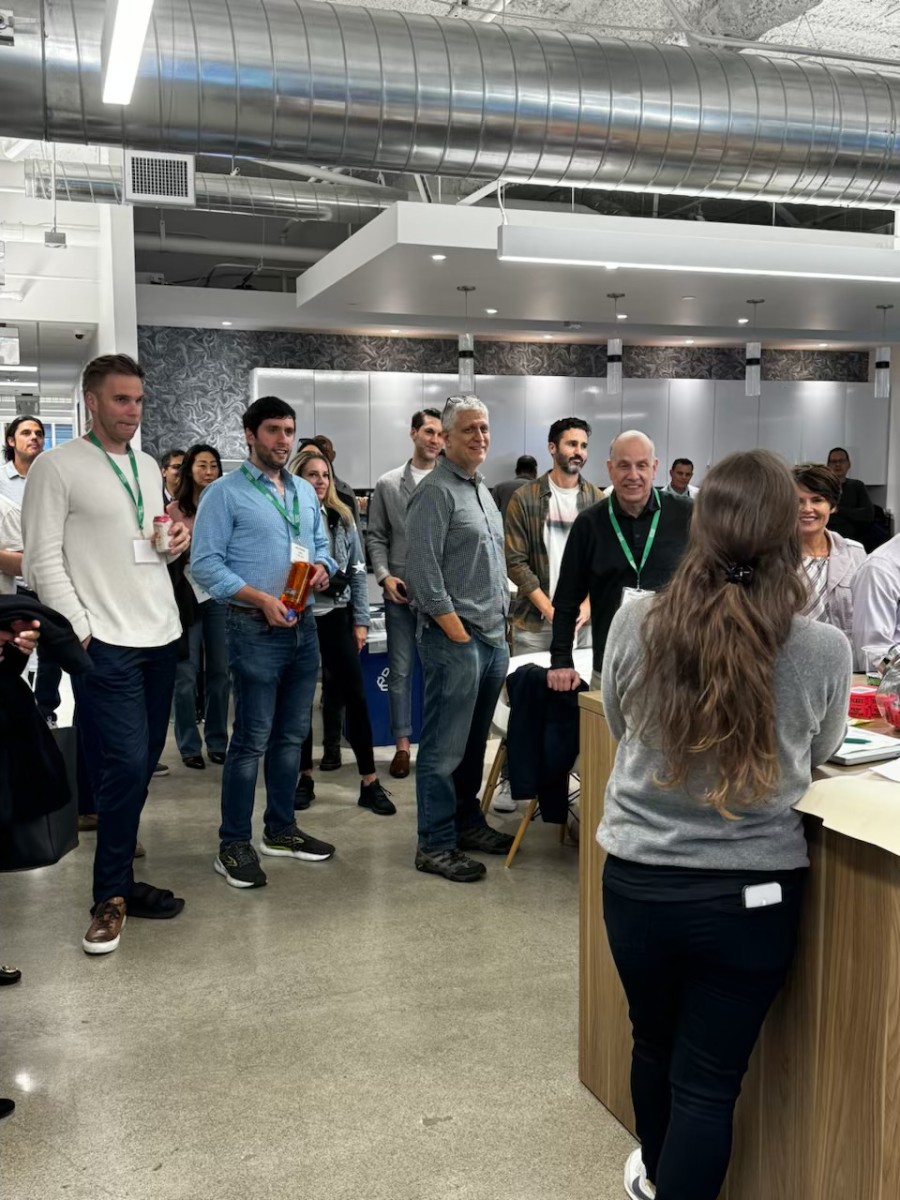
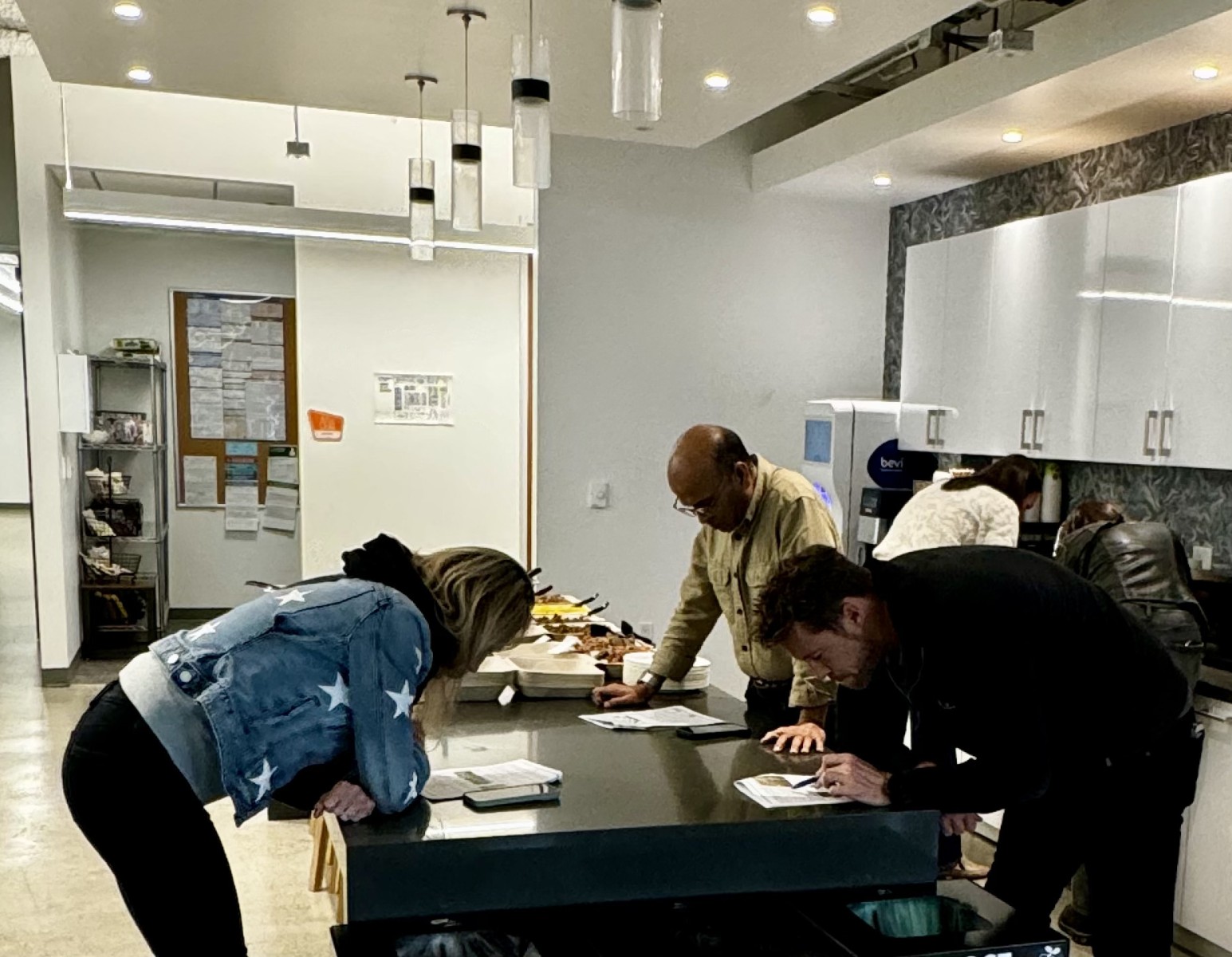
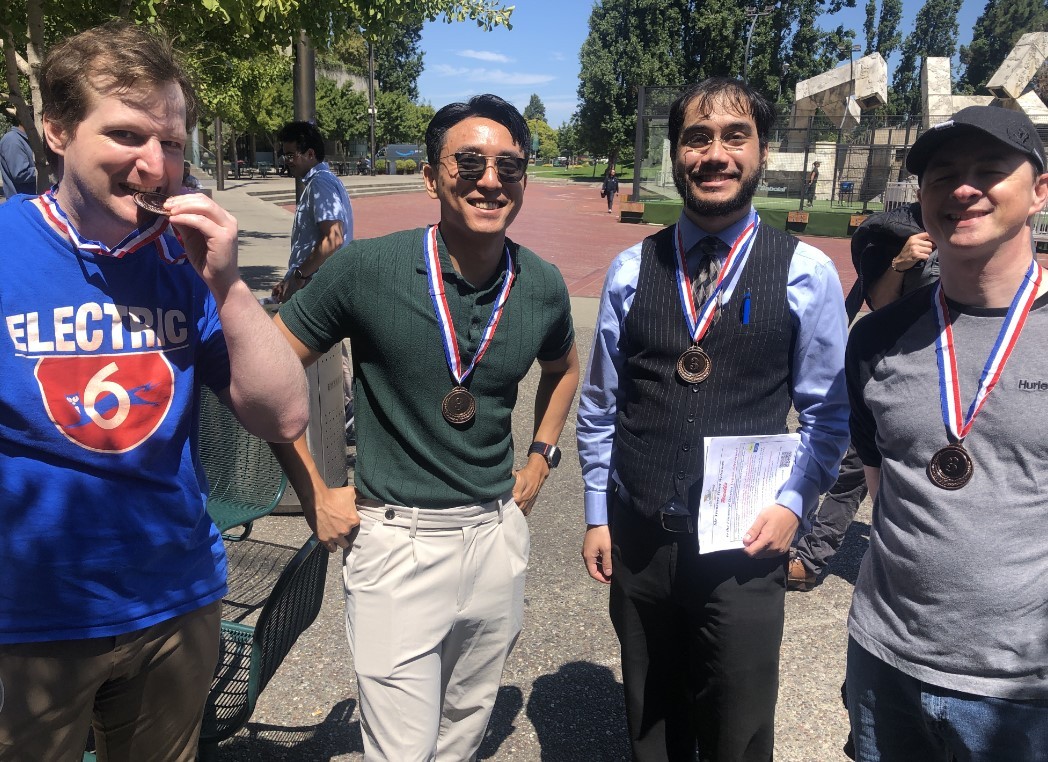
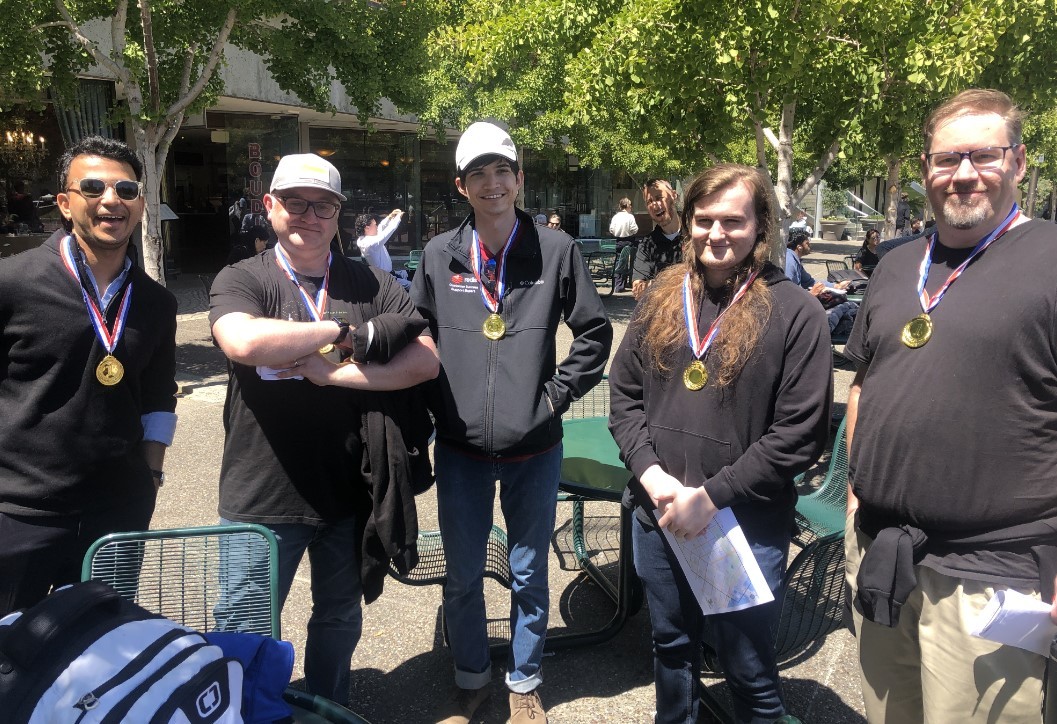
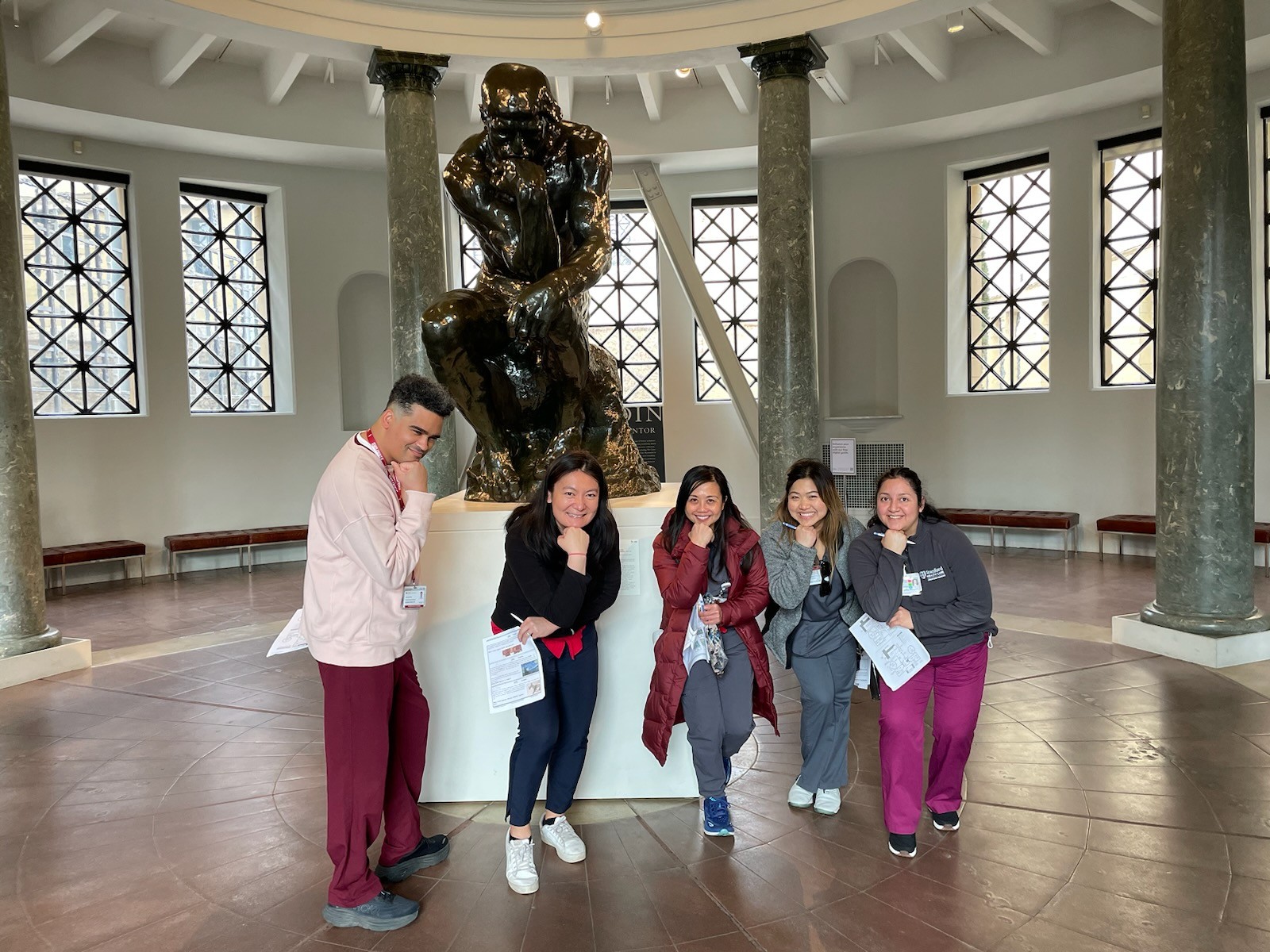
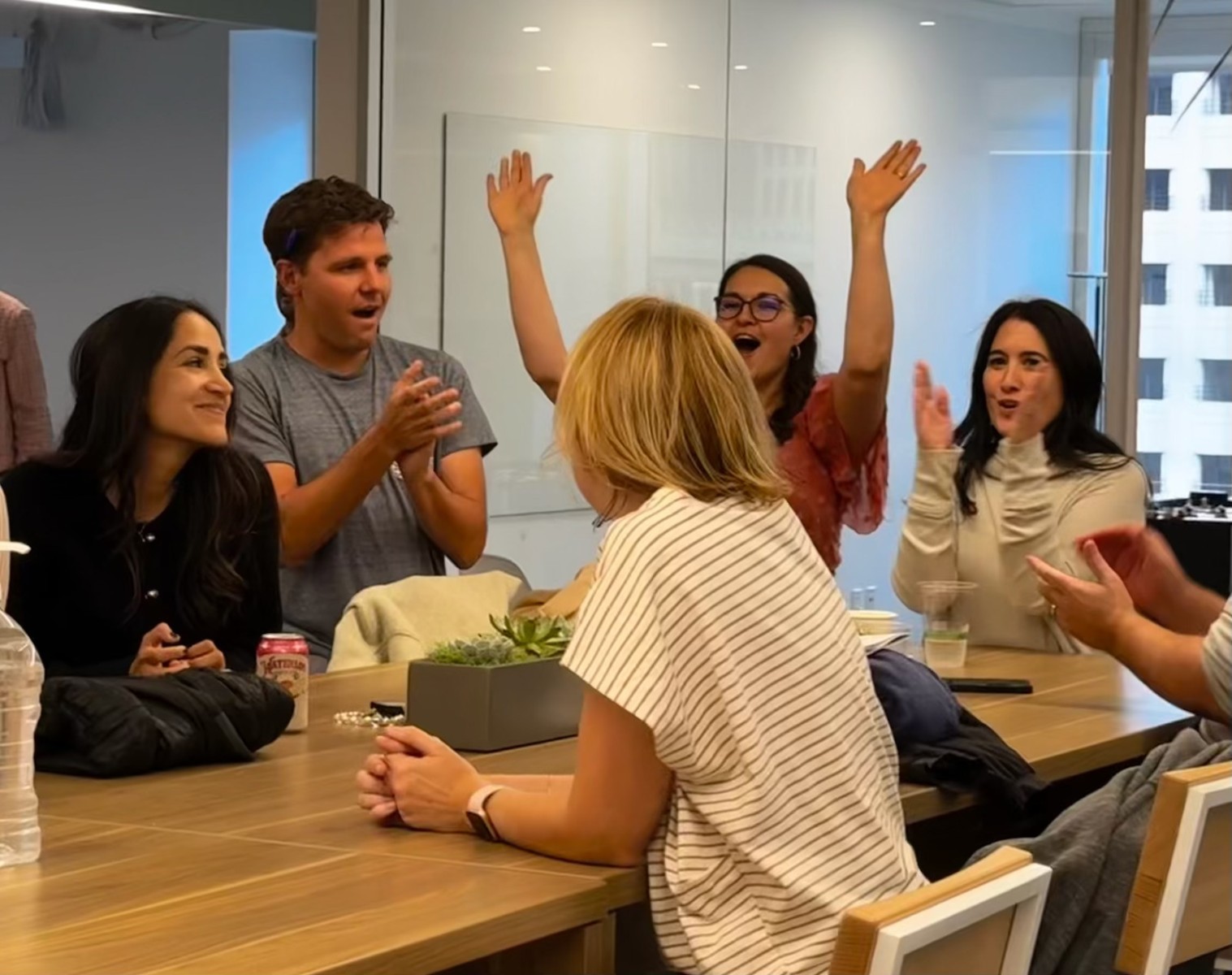
A curated look at real Mr Treasure Hunt moments: teams gathering, solving clues, exploring landmarks, and celebrating together.
Yelp Reviews From Scavenger Hunt Clients
Yelp feedback highlights why groups recommend Mr Treasure Hunt for events like the Asian Art Museum: responsive coordination, balanced clues, thoughtful planning, and strong team energy.

A retreat group had a smooth planning experience on short notice, with flexible support, a self-facilitated setup, and self-guided riddles that kept the day fun.

A small birthday group found the Redwood City hunt easy to arrange, technologically impressive, and memorable enough to recommend doing again.

A repeat client described the booking process as easy and the hunt as well curated, with the team feeling both challenged and entertained.

A year-end Berkeley team activity stood out for local coordination, bright-and-early hosting, periodic check-ins, and effortless communication.

A Cantor Art Museum hunt helped colleagues learn about one another while showing off different skills, with Dan described as prepared and prompt.

A 30+ person group enjoyed an Alameda hunt, especially the event strategy, puzzle solving, and the ability to compete across several teams.

A Fisherman's Wharf corporate activity impressed the group because it was organized, challenging, fun, and gave even locals something new to notice.

A North Beach and Chinatown hunt balanced clear instructions, not-too-tough problems, straightforward clues, hidden alleys, murals, and local mosaics.

A startup group used the contactless DIY option in downtown San Mateo, splitting into small teams for clues, photo ops, and a well-timed challenge.

A 25-person Golden Gate Park event came together quickly, with lunch guidance, accessible event adjustments, and puzzles that required teamwork.

A two-hour Golden Gate Park hunt gave the company an outdoor bonding experience with a fair challenge level, flexible team splitting, and photo tasks.

The group liked the photo challenges and question design, with the event feeling fun and satisfyingly challenging within a tight company schedule.

A downtown Alameda hunt for about 40 colleagues worked because the clues, geography, geosyncing, and group progress checks were all well managed.

A customized downtown Alameda hunt for 40 people handled schedule changes smoothly while creating the right balance of competition, unity, and fun.

A Golden Gate Park hunt handled a group of highly driven personalities and turned the day into a recommended outdoor team event.
More San Francisco Scavenger Hunts
Explore nearby museum and city events in the same San Francisco scavenger hunt cluster.
Asian Art Museum Scavenger Hunt FAQ
Quick answers for teams planning an Asian Art Museum event.
Where does the Asian Art Museum scavenger hunt start?
Asian Art Museum events begin at the museum entrance at 200 Larkin Street in San Francisco's Civic Center. The start is recognizable, close to transit, and gives teams a clear place to gather before moving into museum clues.
Does the Asian Art Museum scavenger hunt go inside the museum?
Yes. The Asian Art Museum event is built as a museum-focused experience and can use gallery observation, collection themes, and team problem-solving inside the museum when admission and group logistics are confirmed in advance.
Is the Asian Art Museum scavenger hunt good for corporate team building?
Yes. The event works well for corporate team building because teams can solve clues tied to art, culture, history, visual details, shared interpretation, and creative photo challenges in a compact indoor setting.
What is the best team setup for the Asian Art Museum scavenger hunt?
Teams of 4-5 people work best, with larger groups split into multiple teams. That size gives each person enough room to notice details, discuss clues, and move respectfully through gallery spaces.
What planning notes should teams know for the Asian Art Museum event?
Send guests the 200 Larkin Street meeting point, Civic Center/UN Plaza BART notes, nearby parking options such as Civic Center Garage or UC Law Parking Garage, museum admission expectations, and the expected 2 to 2.5 hour event window before the event. Confirm museum tickets, group policies, private-event needs, and whether the group should regroup near the museum cafe, store, or another approved spot.
How long does the Asian Art Museum scavenger hunt take?
Plan for a 2 to 2.5 hour experience, including the kickoff, clue solving, gallery movement, photo challenges, and a final regroup.
Does the Asian Art Museum scavenger hunt require a special app?
No. The Asian Art Museum event is built around gallery observation, team interpretation, art details, cultural history, and photo prompts, so groups do not need a special app to participate.
Plan Your Asian Art Museum Event
Send your group size, preferred date, and event goal to start planning the event.